
Regular Ambulance
Road transport for stable patients who need stretcher access and an organised transfer between home, hospital, or diagnostic facility.
- Route confirmed before dispatch
- Stretcher-based patient transfer
Loading…
AMBULANCE SERVICE

Care Bangla ambulance service in Bangladesh starts with the transfer details: pickup access, destination, preferred time, passenger needs, mobility, and any clinician-requested support. This conversation helps the coordinator check what vehicle and team may be suitable for the specific patient journey.
Availability, route conditions, and required support are confirmed before a transfer is arranged. For an immediate emergency, families should contact the national emergency service or the nearest emergency department rather than wait for a non-emergency transport confirmation.
Care Bangla ambulance service in Bangladesh starts with the transfer details: pickup access, destination, preferred time, passenger needs, mobility, and any clinician-requested support. This conversation helps the coordinator check what vehicle and team may be suitable for the specific patient journey.
Availability, route conditions, and required support are confirmed before a transfer is arranged. For an immediate emergency, families should contact the national emergency service or the nearest emergency department rather than wait for a non-emergency transport confirmation.
Care Bangla ambulance service in Bangladesh starts with the transfer details: pickup access, destination, preferred time, passenger needs, mobility, and any clinician-requested support. This conversation helps the coordinator check what vehicle and team may be suitable for the specific patient journey.
Availability, route conditions, and required support are confirmed before a transfer is arranged. For an immediate emergency, families should contact the national emergency service or the nearest emergency department rather than wait for a non-emergency transport confirmation.
Regular, air-conditioned, ICU, air ambulance, and freezer-van transport have different practical roles. The appropriate ambulance type depends on the patient’s condition, travel distance, equipment needs, clinician instructions, and what can safely be supported during the journey.
The coordinator explains the available arrangement and route-specific quotation before dispatch. Families should share any change in condition, oxygen requirement, mobility limitation, or hospital instruction as early as possible so the transfer plan can be reviewed.
Regular, air-conditioned, ICU, air ambulance, and freezer-van transport have different practical roles. The appropriate ambulance type depends on the patient’s condition, travel distance, equipment needs, clinician instructions, and what can safely be supported during the journey.
The coordinator explains the available arrangement and route-specific quotation before dispatch. Families should share any change in condition, oxygen requirement, mobility limitation, or hospital instruction as early as possible so the transfer plan can be reviewed.
Regular, air-conditioned, ICU, air ambulance, and freezer-van transport have different practical roles. The appropriate ambulance type depends on the patient’s condition, travel distance, equipment needs, clinician instructions, and what can safely be supported during the journey.
The coordinator explains the available arrangement and route-specific quotation before dispatch. Families should share any change in condition, oxygen requirement, mobility limitation, or hospital instruction as early as possible so the transfer plan can be reviewed.


A smoother patient transfer relies on clear pickup and destination contacts. Families can prepare the patient’s identification, relevant reports, medicines, mobility aids, and the receiving-facility details so essential information travels with the patient.
At arrival, the transport team follows the agreed handover process with the family or receiving contact. Ambulance coordination does not replace the receiving clinician’s assessment; new or worsening symptoms should be communicated directly to the responsible medical team.
A smoother patient transfer relies on clear pickup and destination contacts. Families can prepare the patient’s identification, relevant reports, medicines, mobility aids, and the receiving-facility details so essential information travels with the patient.
At arrival, the transport team follows the agreed handover process with the family or receiving contact. Ambulance coordination does not replace the receiving clinician’s assessment; new or worsening symptoms should be communicated directly to the responsible medical team.
A smoother patient transfer relies on clear pickup and destination contacts. Families can prepare the patient’s identification, relevant reports, medicines, mobility aids, and the receiving-facility details so essential information travels with the patient.
At arrival, the transport team follows the agreed handover process with the family or receiving contact. Ambulance coordination does not replace the receiving clinician’s assessment; new or worsening symptoms should be communicated directly to the responsible medical team.
OUR FLEET OPTIONS
Road transport for stable patients who need stretcher access and an organised transfer between home, hospital, or diagnostic facility.

An air-conditioned road option for longer or weather-sensitive journeys where cabin comfort matters to a stable patient.

Critical-care transport is coordinated around the patient’s condition, required equipment, clinical escort, and receiving-facility readiness.

For time-sensitive long-distance movement, the team coordinates the air segment, ground connections, documents, and hospital handover.

Temperature-controlled mortuary transport arranged with route, timing, documentation, and family contact details confirmed in advance.
DISPATCH PROCESS
Share the patient condition, pickup access, destination, date, and preferred time with the coordinator.
The team checks vehicle capability, route, ground connections, escort needs, and availability.
Receive the agreed schedule and price before dispatch coordination and account or invoice processing begin.
Have the pickup address, destination, preferred date and time, patient mobility information, and any clinician-requested transport support ready. The team will check availability and provide a route-specific quotation.
Home nursing care organised around discharge instructions, prescribed procedures, observation needs, and the qualification required for each task.
Caregiver service for non-clinical personal routines, mobility, meals, companionship, and day-to-day continuity when a family needs reliable cover.
Baby care at home directed by parents, covering feeding preparation, bathing, changing, settling, hygiene, and simple routine records.
Scheduled BMDC-registered doctor consultations delivered through a home visit or video appointment, with MBBS and Specialist options.
Assessment-led home physiotherapy for functional movement, post-surgical mobility, neurological rehabilitation, balance, and musculoskeletal recovery.
Ambulance service coordination for regular, AC, ICU, air ambulance, and freezer-van transport with route-specific availability and quotation.
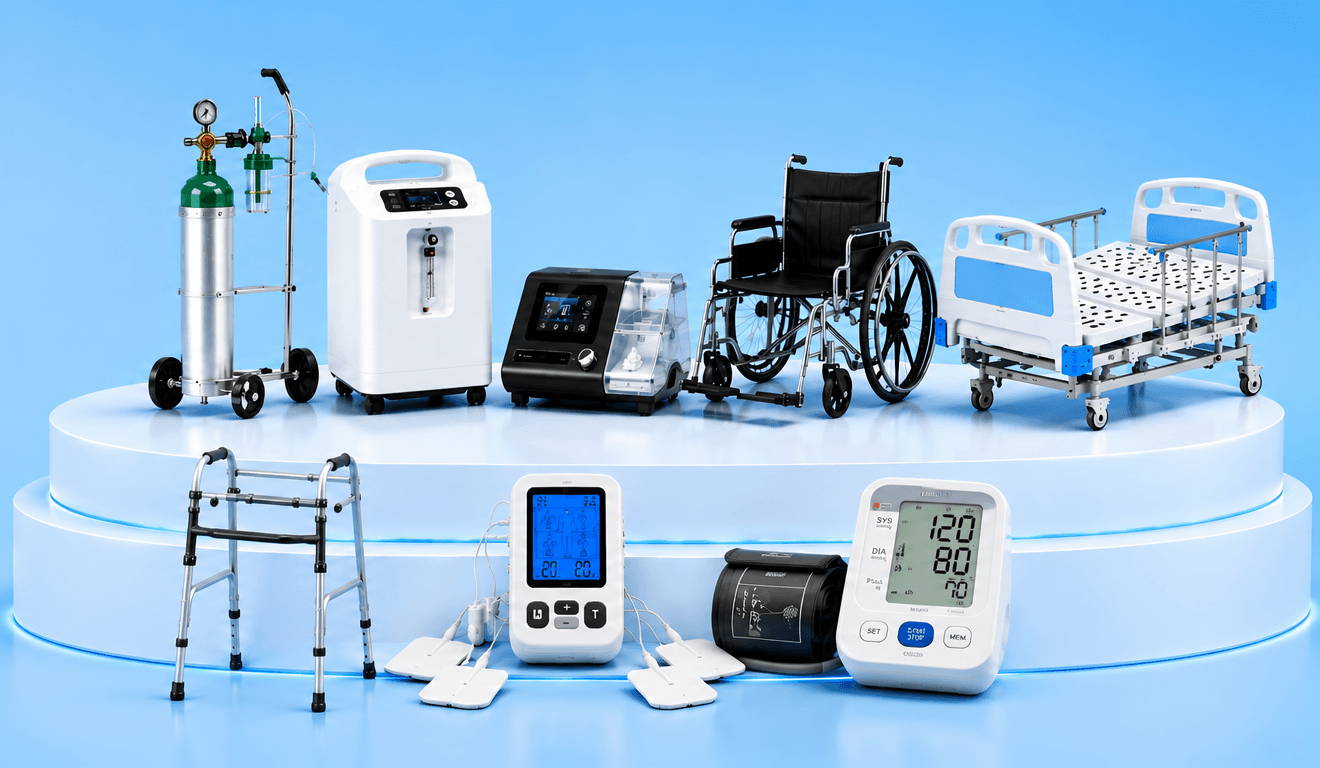
Oxygen cylinders, concentrators, hospital beds, and wheelchairs — available to rent or buy, with delivery across Bangladesh.